



Learn clever strategies to secure winning sports bets
Understanding Prize Culture in Asian Sweepstakes
The landscape of prize culture in Asia is a dynamic and evolving one, deeply intertwined with the concepts of luck and skill, and exploring https://www.sweepsadvantage.com/sweepstakes-contests-blog/luck-skill-and-the-rise-of-asian-prize-culture offers fascinating insights into this area. Sweepstakes and contests across the region often leverage these elements to engage consumers, driving participation and fostering a unique competitive spirit. Understanding the cultural nuances that contribute to the popularity of these prize-driven activities is key to appreciating their widespread appeal.
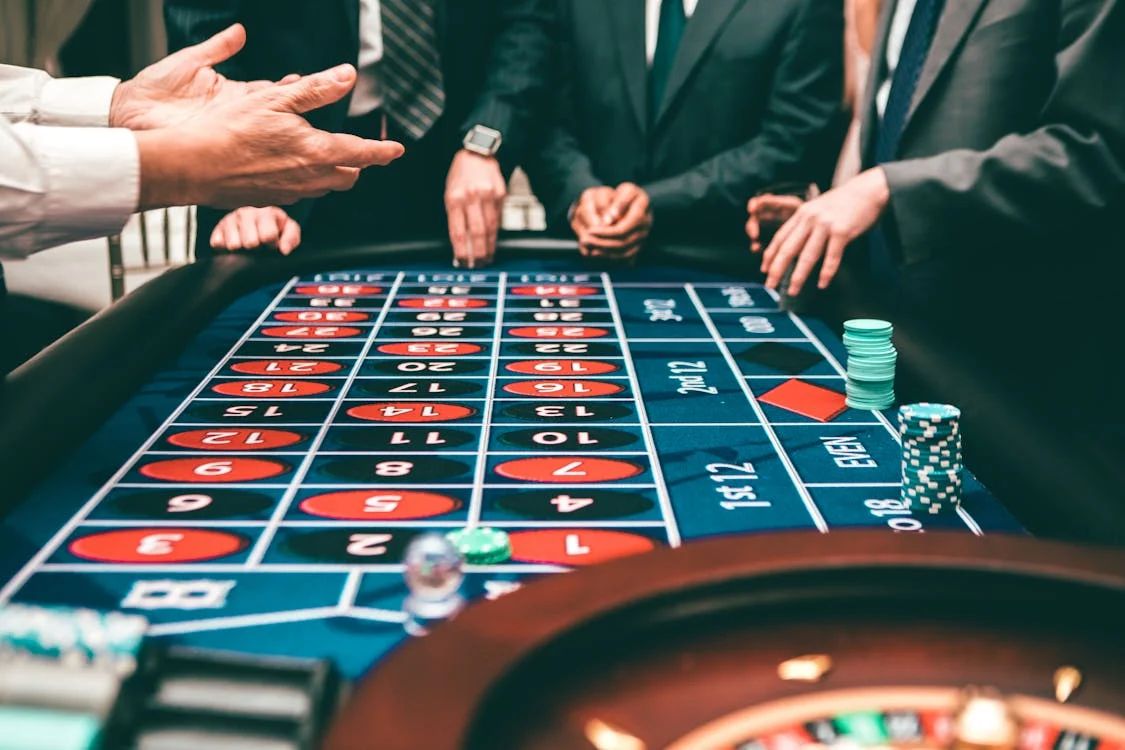
From small-scale community raffles to large, brand-sponsored promotions, the allure of winning something tangible, whether it’s a modest gift or a significant grand prize, resonates deeply. This pursuit is often a blend of genuine hope for good fortune and a calculated engagement with the mechanics of the contest, reflecting a sophisticated consumer base that is both aspirational and strategic in its approach.
The Role of Skill in Modern Contests
While luck is an inherent element in many prize-winning opportunities, the role of skill is becoming increasingly significant, particularly in sophisticated sweepstakes and contests. These events are designed not just to reward chance, but also to test participants’ knowledge, creativity, or strategic thinking. This shift appeals to a demographic that enjoys a challenge and sees the pursuit of prizes as an intellectual or practical exercise.
Platforms that offer such opportunities often incorporate elements that allow skilled players to gain an edge. This might involve trivia components, creative submission requirements, or strategic gameplay. By integrating skill, these contests transform from pure games of chance into engaging experiences that reward preparation and ability, thereby increasing the perceived value of any prize won.
Cultural Influences on Prize Pursuit Strategies
Asian prize culture is significantly shaped by a rich tapestry of cultural influences. Concepts like ‘face’ (mianzi), community solidarity, and a strong emphasis on auspiciousness often play a role in how individuals approach and participate in contests. For instance, winning a prize can bring prestige not only to the individual but also to their family or social group, adding another layer of motivation.
Furthermore, the way prizes are perceived and the types of contests that gain traction can vary dramatically by region. Some cultures might favor lotteries and games of pure chance, while others embrace skill-based competitions that celebrate ingenuity. Understanding these deep-seated cultural drivers is crucial for any entity looking to design or promote prize-winning opportunities effectively within the diverse Asian market.
Psychology of Winning and Consumer Engagement
The psychological drivers behind the pursuit of prizes are profound and multifaceted. The anticipation of a win, even a small one, triggers dopamine releases, creating a sense of excitement and reward. This positive reinforcement loop encourages continued participation and brand engagement. Marketers leverage this by crafting compelling narratives around potential winnings and highlighting the aspirational aspects of prize acquisition.
The “psychology of winning” also extends to how consumers perceive value. A prize, regardless of its monetary worth, can be imbued with significant emotional value, especially if it’s tied to a memorable experience or a desired lifestyle. This emotional connection is a powerful tool for building brand loyalty and fostering long-term relationships with consumers who are actively seeking rewarding experiences.

Navigating Prize Culture with an Edge
For those looking to navigate the exciting world of Asian sweepstakes and contests, a strategic approach can indeed enhance one’s chances. Understanding the specific mechanics of each prize offering is paramount. This involves carefully reading the terms and conditions, identifying any skill-based elements, and recognizing the statistical probabilities involved. For instance, contests with fewer participants or those that require a creative input might offer a more accessible path to winning than mass-appeal lotteries.
Furthermore, staying informed about emerging trends in prize culture and consumer engagement strategies is vital. Platforms that focus on curated prize experiences, blending luck with skill in innovative ways, often provide a more rewarding journey for participants. By understanding the intersection of cultural values, psychological motivators, and strategic engagement, individuals can better position themselves to enjoy the thrill of participation and the satisfaction of winning within this vibrant prize ecosystem.

